Cooling Systems Designed for Summer Extremes
A/C Installation in West Valley City and surrounding areas for properties with insufficient cooling capacity during peak summer temperatures
Utah's hot summer temperatures that regularly exceed ninety-five degrees create cooling demands that outdated air conditioning systems can't meet, resulting in indoor conditions that remain uncomfortable despite equipment running continuously. New air conditioning installation addresses this through system sizing based on your property's actual heat gain, equipment selection that balances efficiency with upfront cost, and professional installation practices that verify refrigerant charge and airflow meet manufacturer specifications. True HVAC handles installations for homes and businesses replacing systems that no longer maintain comfortable indoor temperatures or consume excessive energy attempting to cool spaces beyond their effective capacity.
Installation work involves calculating cooling loads from factors including roof color and insulation, window area and orientation, internal heat sources such as appliances and lighting, and occupancy patterns that affect when cooling is needed. Systems sized from these calculations rather than generic rules of thumb operate more efficiently because they match the property's specific heat gain rather than running oversized equipment that short cycles or undersized equipment that can't achieve target temperatures during afternoon peak loads.
Request an AC installation estimate to review capacity requirements and equipment options for your property.
What Proper Installation Requires
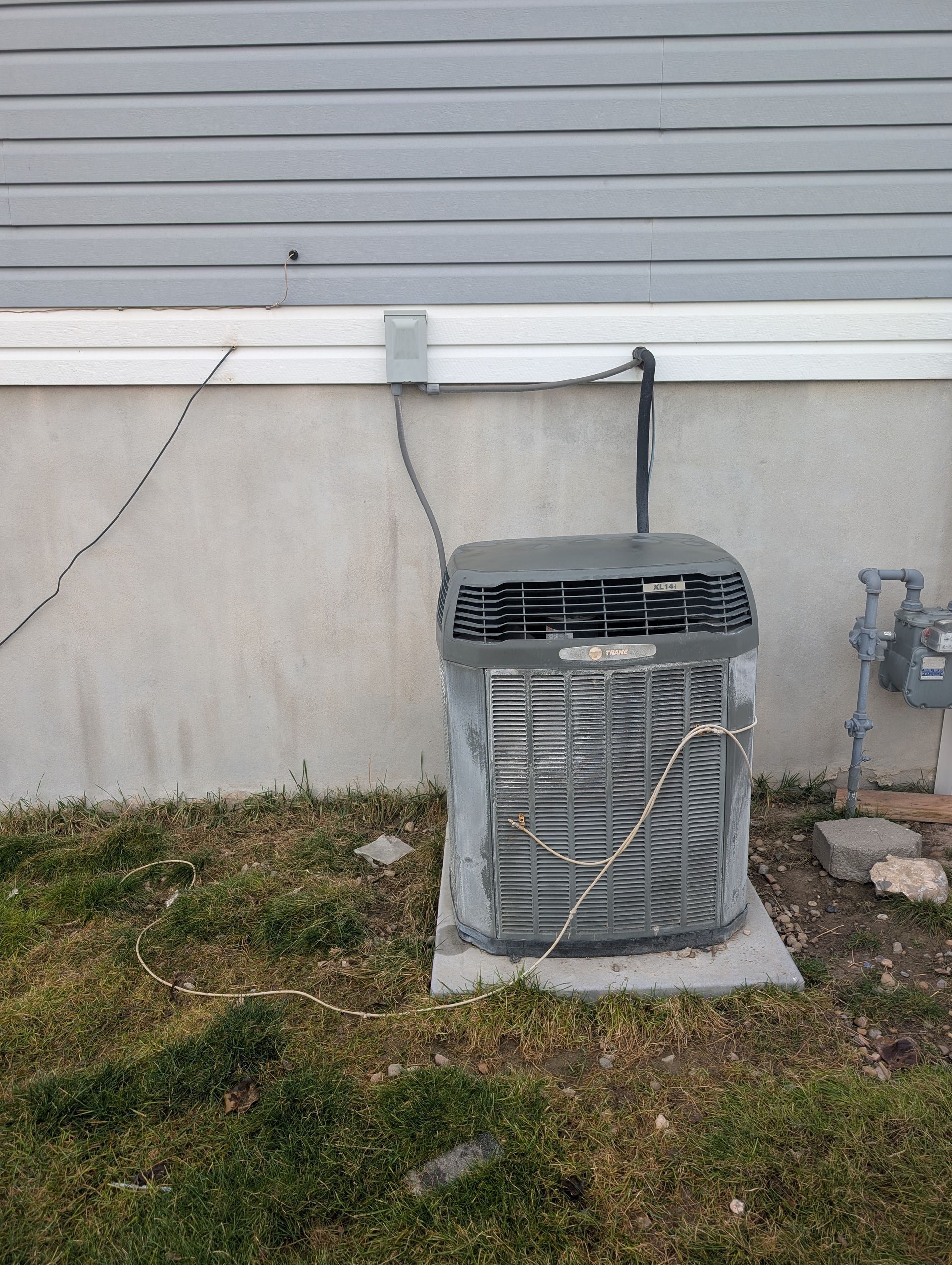
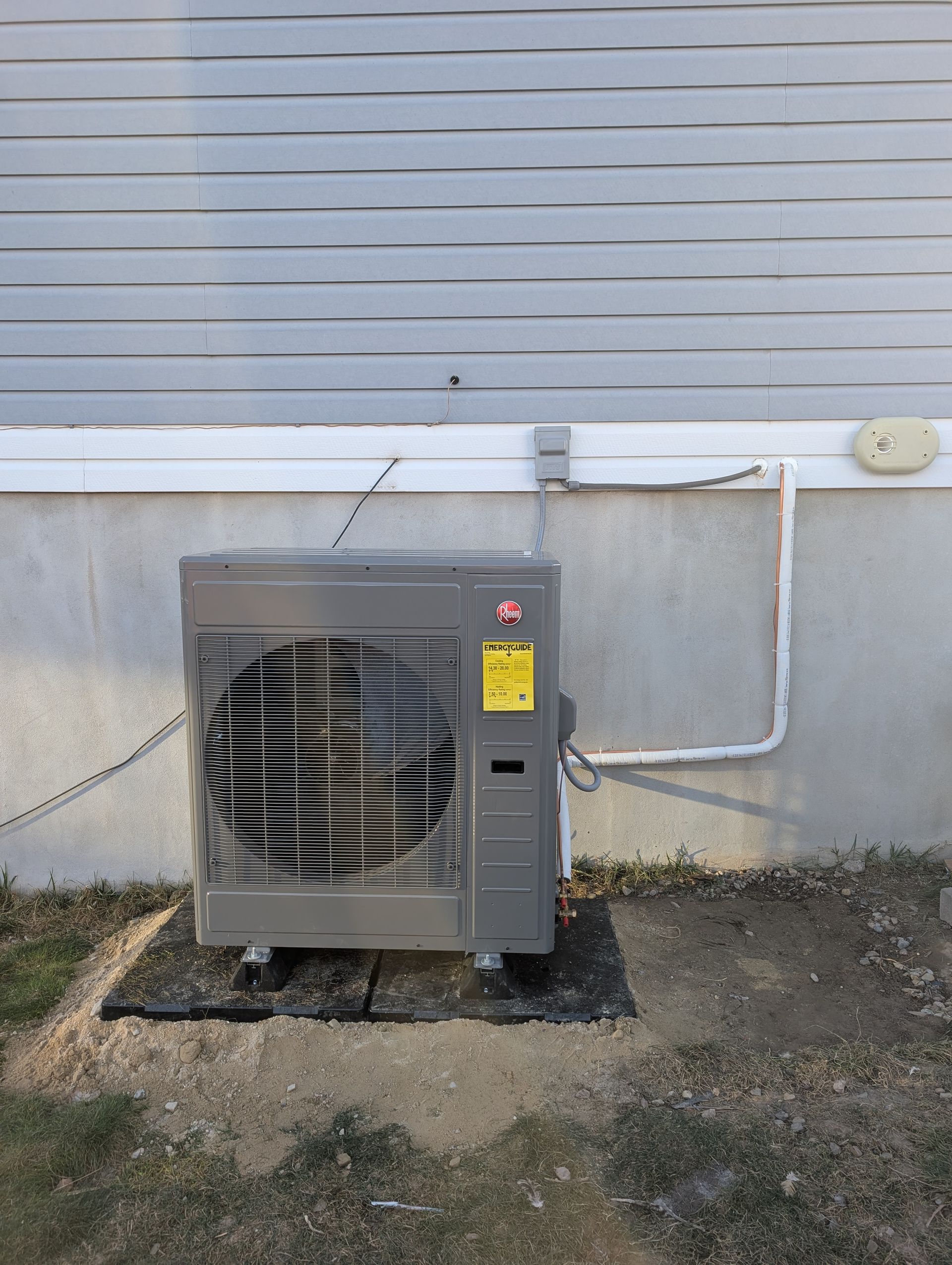
Air conditioning installation includes setting the outdoor condenser on a level pad with adequate clearance for airflow, connecting refrigerant lines with proper insulation to prevent condensation and energy loss, installing or replacing the indoor evaporator coil matched to the outdoor unit's capacity, and verifying that ductwork can deliver the required airflow without excessive static pressure that reduces system efficiency.
Once the new system operates, indoor temperatures reach thermostat settings during the hottest afternoon hours without extended runtimes, humidity levels stabilize as the equipment cycles properly instead of running constantly without dehumidifying, and monthly cooling costs decrease because the system achieves comfortable conditions more efficiently. You notice more consistent temperatures between rooms and fewer hot spots in upper floors or west-facing spaces that previously struggled during late afternoon sun exposure.
Replacement options for outdated systems include standard single-stage units that operate at full capacity whenever running, two-stage units that can run at partial capacity during moderate conditions, and variable-speed systems that adjust output continuously. Each option involves trade-offs between upfront cost, operating efficiency, and comfort performance that depend on your cooling patterns and budget priorities.
Common Questions About This Service
Property owners in West Valley City, North Salt Lake, Taylorsville, and surrounding areas who are considering new air conditioning installations typically ask about equipment selection, efficiency considerations, and installation timing.
What SEER rating should I choose for West Valley City's climate?
SEER ratings between 14 and 16 typically provide reasonable payback periods in this region, where moderate cooling seasons make the premium cost of 18+ SEER equipment difficult to recover through energy savings compared to areas with longer, more intense cooling demands.
How is air conditioner capacity determined for my property?
Load calculations account for insulation levels, window area and quality, ceiling height, roof characteristics, and internal heat sources to determine tonnage requirements, with typical residential installations ranging from two to five tons depending on conditioned square footage and construction quality.
Can I install a larger air conditioner to cool my home faster?
Oversized equipment short cycles before completing proper dehumidification, resulting in cool but clammy indoor conditions, and the frequent on-off cycling increases wear on components while consuming more energy than properly sized equipment running longer cycles.
When should I schedule air conditioning installation?
Spring installations before peak cooling season avoid the rush for service during summer months when equipment availability is limited and installation scheduling extends several weeks due to high demand from emergency replacements.
What happens to my old air conditioner after replacement?
The existing equipment is disconnected, refrigerant is recovered according to EPA regulations, and the unit is removed from the property, with recyclable materials such as copper and aluminum processed through appropriate channels.
True HVAC sizes air conditioning equipment through documented load calculations rather than estimates based on existing system capacity or generic square footage guidelines, ensuring your new system matches actual cooling requirements. Schedule a property assessment to receive accurate capacity recommendations and equipment proposals based on your home's specific characteristics and cooling needs.