Ventilation That Replaces Stale Indoor Air
Fresh Air Intake in West Valley City and surrounding areas for properties with poor air circulation and stagnant indoor environments
Homes and commercial buildings sealed tightly for energy efficiency trap indoor air that accumulates odors, carbon dioxide, volatile organic compounds from furnishings and cleaning products, and moisture from cooking and bathing, creating stale conditions that feel stuffy even when temperature is controlled. Fresh air intake systems bring measured amounts of outdoor air into your HVAC ductwork, diluting contaminants and replacing stale air with fresh outdoor air in a controlled manner that maintains energy efficiency. True HVAC designs and installs ventilation solutions across Utah that balance indoor air quality with heating and cooling costs, using energy recovery ventilators or dedicated outdoor air systems depending on building size and occupancy patterns.
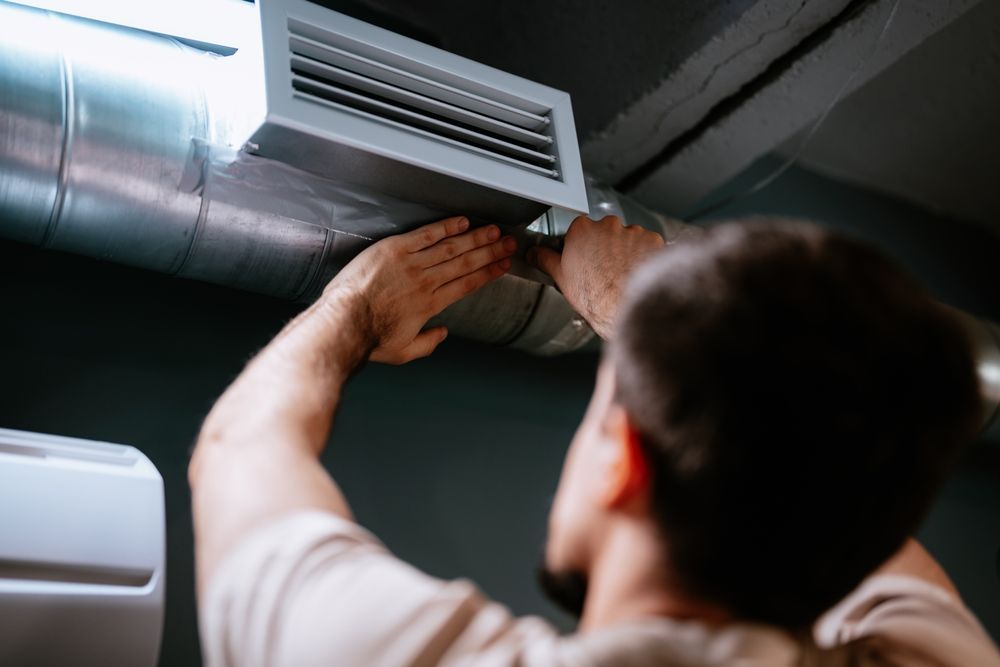
Fresh air intake involves ducting outdoor air to your HVAC system's return side or installing a dedicated ventilation appliance that pre-conditions incoming air before it enters living spaces, preventing the drafts and temperature discomfort that result from simply opening windows. The system meters outdoor air flow based on occupancy and building size, ensuring adequate ventilation without over-ventilating and wasting heating or cooling energy.
Schedule a ventilation assessment to determine how much outdoor air your property needs and which system design fits your HVAC configuration in West Valley City, Holladay, Kearns, or a neighboring community.
How Controlled Ventilation Improves Indoor Environments
Installing a fresh air intake system creates continuous but controlled air exchange that prevents indoor air from becoming stale while minimizing the energy penalty associated with conditioning outdoor air. Energy recovery ventilators transfer heat between outgoing stale air and incoming fresh air, pre-warming cold outdoor air in winter or pre-cooling hot outdoor air in summer before it enters your ductwork, reducing the load on your furnace or air conditioner.
After installation, you notice that indoor air feels fresher, odors dissipate more quickly, and stuffiness disappears even when windows remain closed during extreme weather. The system operates automatically, providing ventilation whenever your HVAC blower runs or on its own schedule depending on the equipment type, eliminating the need to manually open windows and compromise heating or cooling efficiency.
Proper system design accounts for Utah's temperature extremes, ensuring that incoming outdoor air is tempered appropriately and that ventilation rates match building occupancy without creating excessive drafts or cold spots. Installation includes integrating controls with existing HVAC equipment, balancing airflow to maintain proper pressure relationships within the building, and ensuring outdoor air intakes are positioned away from contamination sources like dryer vents or vehicle exhaust.
What Building Owners Want to Know
Fresh air intake systems raise questions about ventilation rates, energy costs, and how these systems differ from simply opening windows or running exhaust fans.
What determines how much outdoor air a building needs?
Ventilation requirements depend on square footage, occupancy levels, and activities that generate contaminants, with higher occupancy and moisture-generating activities requiring greater outdoor air volumes to maintain acceptable indoor air quality.
How does an energy recovery ventilator reduce heating and cooling costs?
By transferring heat between outgoing and incoming air streams, energy recovery ventilators pre-condition outdoor air, reducing the temperature difference your furnace or air conditioner must overcome and lowering energy consumption compared to ventilating with unconditioned outdoor air.
When does a building benefit most from dedicated outdoor air systems?
Properties with high occupancy, significant internal moisture generation, or poor indoor air quality from off-gassing materials see the greatest improvement from systems designed specifically to provide continuous fresh air ventilation rather than relying on infiltration or window operation.
What prevents outdoor air intake from creating drafts or cold spots?
Proper system design introduces outdoor air through the HVAC ductwork where it mixes with conditioned air before reaching living spaces, and ventilation equipment can include heating or cooling coils that temper incoming air to match indoor temperature.
How does Utah's dry climate affect ventilation system operation?
Low outdoor humidity during winter means incoming fresh air doesn't add moisture to indoor spaces, which can exacerbate dryness unless humidification is also addressed, while summer ventilation introduces dry air that supports cooling but doesn't contribute to humidity problems common in more humid climates.
True HVAC installs fresh air intake systems that improve indoor air quality without sacrificing energy efficiency or comfort. Contact us to review your ventilation needs and explore solutions that deliver healthier indoor air while maintaining controlled temperatures year-round.