Temperature Controls That Stay Calibrated Year-Round
Thermostat Maintenance in the West Valley City area for HVAC systems requiring consistent accuracy and reliable communication
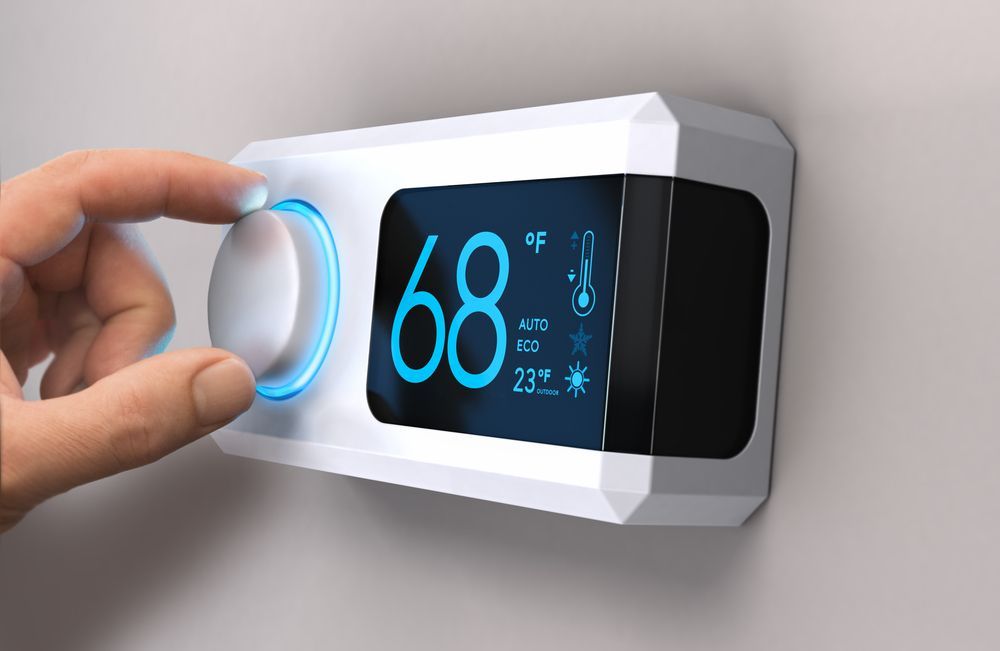
Routine testing catches calibration drift before your thermostat starts signaling your furnace to run when the room is already two degrees warmer than the setpoint, a common issue that wastes energy and causes uneven heating or cooling. Thermostat maintenance involves verifying that the control reads room temperature accurately, communicates properly with HVAC equipment, and responds correctly to programming or manual adjustments. True HVAC performs these checks across Utah, supporting both mechanical and digital thermostats to prevent comfort disruptions that start with small control failures.
Maintenance testing includes comparing the thermostat's displayed temperature against a calibrated reference thermometer, checking battery condition in wireless models, inspecting wiring connections for corrosion or looseness, and verifying that the device sends proper voltage signals to heating and cooling equipment when temperature changes are requested. These checks identify sensor issues, connectivity problems, and mechanical wear before they result in system malfunctions or incorrect temperature readings that leave you adjusting the setpoint repeatedly throughout the day.
Arrange a maintenance evaluation to confirm your thermostat is controlling HVAC operation accurately in West Valley City, North Salt Lake, Taylorsville, or a neighboring community.
Why Calibration Checks Support System Efficiency
Maintaining thermostat accuracy ensures your HVAC system starts and stops at the right times based on actual room conditions rather than drifted sensor readings that no longer reflect reality. Calibration testing involves placing a precision thermometer near the thermostat, allowing both to stabilize, and comparing readings to determine if the control's internal sensor has drifted beyond acceptable tolerances, typically one to two degrees.
After maintenance, your thermostat responds reliably to temperature changes, programmed schedules execute as intended, and your heating or cooling equipment doesn't run longer than necessary because the control finally recognizes when the target temperature has been reached. You stop experiencing situations where the house feels warm but the system keeps running because the thermostat believes the space is still too cold.
Maintenance also involves cleaning dust from mechanical contacts in older thermostats, updating firmware in smart models to fix bugs that affect operation, and verifying that the device's location hasn't been compromised by furniture placement, new heat sources, or changes in airflow patterns that skew temperature sensing. Proper thermostat function maximizes equipment lifespan by preventing unnecessary cycling and runtime caused by inaccurate control signals.
Common Questions Property Owners Ask
Thermostat maintenance raises questions about testing procedures, frequency, and what keeps these controls working reliably over years of daily operation.
How often should thermostat calibration be checked?
Annual verification during routine HVAC maintenance ensures the control remains accurate, though thermostats in high-use commercial settings or homes with frequent temperature adjustments may benefit from more frequent testing.
What causes a thermostat to lose calibration over time?
Internal sensor drift from aging components, accumulated dust affecting mechanical parts, voltage irregularities, or exposure to temperature extremes near the device all contribute to calibration loss that develops gradually.
When does a thermostat need battery replacement?
Most battery-powered and hybrid thermostats display low battery warnings, but replacing batteries annually during maintenance prevents unexpected failures that leave HVAC systems unresponsive during extreme weather when you need heating or cooling most.
How does dust affect thermostat performance?
Dust accumulation on mechanical contacts in older thermostats causes poor electrical connection and erratic operation, while dust on sensors in digital models can insulate the sensing element and cause inaccurate temperature readings.
What maintenance do smart thermostats require in Utah's climate?
Beyond calibration checks, smart thermostats benefit from firmware updates that improve compatibility and fix bugs, along with verification that Wi-Fi connectivity remains stable and that extreme temperature swings common in Utah haven't affected sensor accuracy.
True HVAC provides thermostat maintenance that identifies small issues before they disrupt comfort or force emergency repairs. Schedule maintenance service to keep your temperature controls accurate and extend the functional life of both the thermostat and the HVAC equipment it operates.