Seasonal Preparation That Prevents Mid-Summer Failures
A/C Tune-Ups in West Valley City and surrounding areas for cooling systems before peak demand begins and efficiency drops
Air conditioning systems operating under West Valley City and Salt Lake City area summer heat face sustained demand that reveals weaknesses missed during milder months. True HVAC performs seasonal tune-ups that test cooling performance, clean critical components, and identify minor issues before they escalate into complete system failures. Pre-season inspections catch refrigerant levels that have dropped slightly, electrical connections showing early corrosion, and airflow restrictions that reduce efficiency before temperatures climb into the nineties.
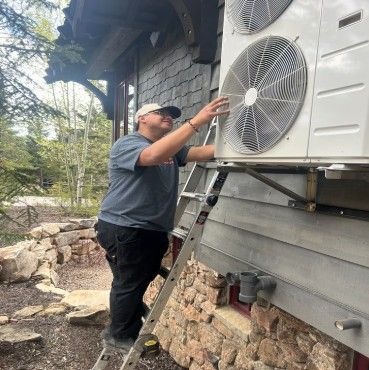
The tune-up process includes measuring refrigerant charge against manufacturer specifications, testing capacitor performance under load, inspecting condenser coils for debris accumulation, verifying thermostat calibration, and checking electrical connections for proper voltage. Technicians clean outdoor coil surfaces that have collected cottonwood seeds, dust, and lawn clippings, replace air filters restricting airflow, and lubricate motor bearings where applicable. Performance testing confirms the system achieves target temperatures within expected timeframes and cycles appropriately rather than running continuously.
Arrange a pre-season tune-up before cooling demands increase and minor issues become urgent repairs.
What Proper Seasonal Maintenance Addresses
Tune-ups focus on components most likely to fail under sustained operation, including capacitors that weaken over time, contactors that pit from repeated cycling, and coils that lose efficiency when covered with debris. A capacitor showing voltage readings below specification may still start the compressor in April but fail completely in July when ambient temperatures add thermal stress. Addressing these marginal components during scheduled maintenance prevents breakdowns during peak season when repair demand is highest and indoor temperatures climb rapidly.
Once tune-up work is finished, your system draws less amperage to produce the same cooling output, reaches programmed temperatures faster, and maintains more consistent indoor comfort without extended run cycles. Energy consumption typically decreases as the system no longer compensates for dirty coils or restricted airflow, and component lifespan extends because the unit operates within designed parameters rather than under stress.
Seasonal inspections identify whether refrigerant has leaked slowly over the previous year, whether drain lines have developed clogs that could cause water damage, and whether ductwork has developed gaps affecting airflow distribution. True HVAC documents baseline performance metrics during tune-ups to track system condition over multiple seasons and recommend proactive replacements before failures occur.
Common Questions About Seasonal AC Service
Homeowners typically want to know what tune-ups include, when to schedule them, and what difference they make in system performance.
What happens during an AC tune-up that differs from a repair call?
Tune-ups involve comprehensive testing and cleaning across all system components while everything still functions, while repair calls address specific failures after components have stopped working.
When should I schedule a seasonal tune-up in West Valley City?
Late April or early May allows time to address any issues discovered before sustained cooling demand begins in June, and appointment availability is better before peak season.
How does coil cleaning improve cooling efficiency?
Debris layers on condenser coils act as insulation that prevents heat transfer, forcing the compressor to run longer to achieve the same temperature drop and increasing energy consumption by fifteen to twenty-five percent in severe cases.
What minor issues do tune-ups typically catch before they cause breakdowns?
Refrigerant levels slightly below specification, capacitors with declining microfarad readings, loose electrical connections developing resistance, and drain line clogs beginning to restrict condensate flow.
Do tune-ups actually reduce the likelihood of mid-season AC failures?
Systems receiving annual maintenance experience significantly fewer emergency breakdowns because components showing early wear are replaced during scheduled service rather than failing during peak demand.
Seasonal maintenance supports manufacturer recommendations and keeps cooling systems operating within designed efficiency ranges. True HVAC schedules tune-ups throughout spring to prepare systems before summer heat arrives, so contact us to reserve your preferred appointment time.