Controls That Actually Respond to Temperature Changes
Thermostat Repairs in West Valley City and surrounding areas for HVAC systems that won't reach set temperatures or cycle properly
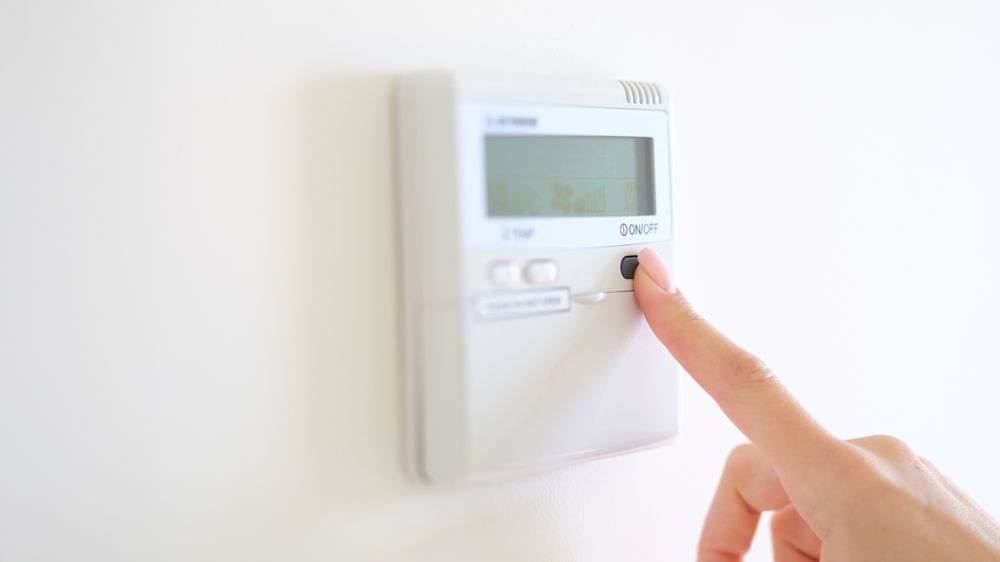
A thermostat displaying 72 degrees while you're sitting in a 68-degree room points to a calibration failure or sensor drift that prevents your heating and cooling equipment from operating on accurate information. True HVAC diagnoses and repairs thermostat malfunctions across Utah, addressing inaccurate readings, communication breakdowns between the control and equipment, and system failures that leave heating or cooling running constantly or not at all. These control failures cause comfort disruptions and force HVAC equipment to work harder than necessary because the system never receives correct signals about when to start or stop.
Thermostat repair begins with testing the control's communication with your furnace, air conditioner, or heat pump, checking whether the device sends proper signals when you adjust settings and whether it accurately reads room temperature. Voltage problems, corroded wiring terminals, failing sensors, or software glitches in programmable and smart models all prevent proper system operation, and identifying the specific failure determines whether recalibration, component replacement, or full thermostat replacement restores control.
Schedule a diagnostic evaluation to identify what's preventing your thermostat from controlling temperature accurately in West Valley City, Kearns, Holladay, and neighboring communities.
What Functional Thermostat Operation Restores
Repairing a malfunctioning thermostat corrects the communication path between you and your HVAC equipment, ensuring that when you set a temperature, the system responds appropriately and shuts off once that temperature is reached. Whether the issue involves a traditional mechanical thermostat with a failing bimetal coil or a smart thermostat that's lost connection to the HVAC control board, the repair focuses on restoring accurate temperature sensing and reliable signal transmission.
Once the thermostat is repaired, your system stops short cycling or running continuously, temperatures stabilize at the levels you select, and you no longer walk into rooms that feel nothing like what the display indicates. True HVAC handles compatibility issues across traditional millivolt systems, low-voltage controls, and Wi-Fi-enabled smart thermostats, ensuring the repair matches your specific equipment configuration.
Repairs address wiring faults that prevent proper signal delivery, replace failing temperature sensors that provide incorrect readings to the control logic, and resolve software or connectivity issues in programmable models. The work also includes verifying that the thermostat's location hasn't been compromised by drafts, direct sunlight, or heat sources that skew readings and cause the system to respond to conditions that don't reflect the actual room temperature.
Questions About Thermostat Troubleshooting
Homeowners and business owners dealing with HVAC systems that won't respond to adjustments or that cycle unpredictably often need clarity about what the repair involves and what failures typically occur.
What causes a thermostat to display the wrong temperature?
Sensor drift, poor placement near heat sources or drafts, or internal calibration failure causes the displayed temperature to differ from the actual room temperature, leading your system to operate based on incorrect information.
How does a technician diagnose communication problems between the thermostat and HVAC system?
Testing involves checking voltage at the thermostat terminals, verifying continuity in control wiring, and confirming that the equipment responds when the thermostat calls for heating or cooling, isolating whether the failure is in the control device or the wiring path.
When should a thermostat be replaced instead of repaired?
Replacement makes sense when internal components have failed beyond economical repair, when upgrading to a programmable or smart model provides better control and efficiency, or when the existing thermostat is incompatible with new HVAC equipment.
What prevents smart thermostats from controlling HVAC systems properly?
Wi-Fi connectivity loss, incorrect wiring configuration during installation, software bugs, or incompatibility with certain furnace or air handler control boards all prevent smart thermostats from operating heating and cooling equipment reliably.
How do Utah's temperature swings affect thermostat accuracy?
Rapid outdoor temperature changes during shoulder seasons and high desert temperature differentials between day and night can expose calibration drift in older thermostats, making small sensor inaccuracies more noticeable when precise control matters most.
True HVAC provides thermostat repair throughout Utah for systems that aren't maintaining comfort or responding to control inputs. Request a service appointment to restore accurate temperature control and eliminate the inefficiency caused by faulty thermostat operation.