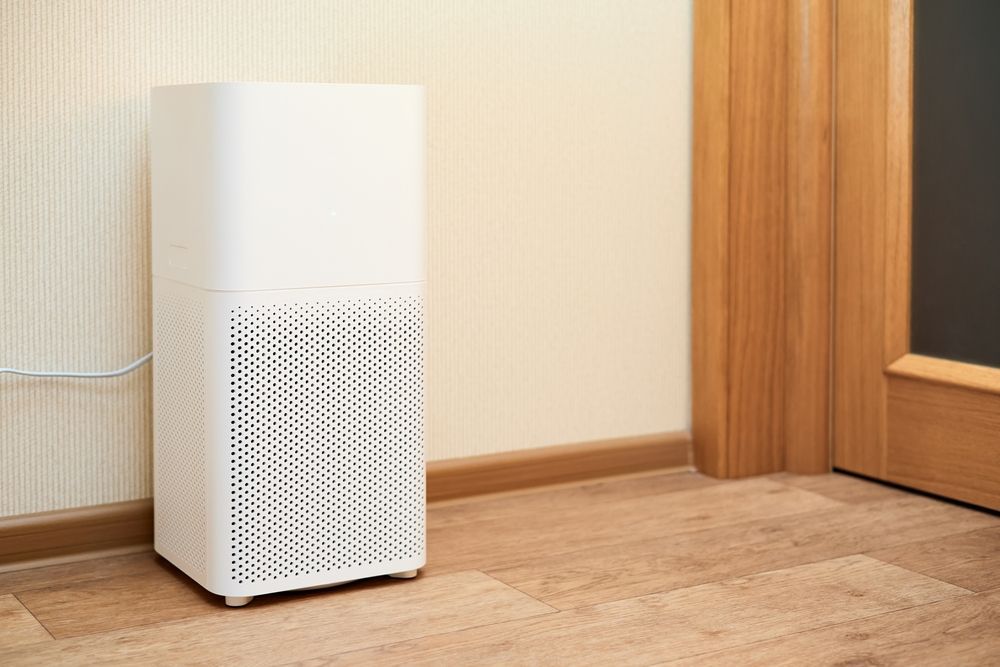
Filtration That Captures Airborne Contaminants
Air Purification in the West Valley City area for properties requiring cleaner indoor air and reduced airborne particles
Indoor air carries dust, pollen, pet dander, mold spores, bacteria, and volatile organic compounds that circulate continuously through HVAC ductwork, settling on surfaces and being inhaled by occupants throughout the day. Air purification systems installed in your ductwork or HVAC equipment filter or neutralize these contaminants as air passes through, reducing airborne particle concentrations and improving indoor air quality for families, employees, and individuals sensitive to allergens or respiratory irritants. True HVAC integrates air purification solutions with existing HVAC systems across Utah, using high-efficiency filtration, electronic air cleaners, or ultraviolet germicidal irradiation depending on which contaminants you need to address and how your ductwork is configured.
Air purification involves upgrading from standard one-inch furnace filters to whole-home systems that capture smaller particles, neutralize biological contaminants, or remove odors and chemical vapors that pass through conventional filters. These systems work continuously as your HVAC blower operates, treating all the air that circulates through your property rather than limiting purification to a single room.
Request an air quality evaluation to identify which contaminants affect your indoor environment and which purification technology addresses those concerns.
What Purification Systems Remove From Indoor Air
Installing an air purification system reduces the concentration of airborne particles and contaminants that standard HVAC filters miss, using media filters with MERV ratings between 11 and 16 to capture particles as small as 0.3 microns, electronic precipitators that charge and collect particles electrostatically, or UV lamps that neutralize biological contaminants passing through ductwork near the air handler. Each technology targets different contaminant types, with mechanical filtration excelling at dust and pollen, electronic cleaners handling smoke and fine particles, and UV systems addressing mold spores and bacteria.
After installation, you notice less dust accumulation on surfaces, reduced allergy symptoms for sensitive occupants, and elimination of odors that previously circulated through the HVAC system. True HVAC matches purification equipment to your specific concerns, whether that involves managing pet dander in homes with multiple animals, controlling allergens for asthma sufferers, or maintaining cleaner air in commercial spaces where employee comfort and health matter.
Installation considerations include verifying that your HVAC blower can handle the airflow restriction from high-efficiency filters, positioning electronic air cleaners where they're accessible for cleaning, and placing UV lamps in ductwork locations where they effectively irradiate passing air without creating ozone or degrading duct materials. Maintenance requirements vary by system type, with media filters requiring replacement every six to twelve months, electronic cells needing periodic cleaning, and UV lamps needing annual bulb replacement to maintain germicidal effectiveness.
Questions About Cleaner Indoor Air
Property owners exploring air purification want to understand how different technologies work, what contaminants each system handles effectively, and what ongoing maintenance these systems require.
What's the difference between MERV 11 and MERV 16 filters?
Higher MERV ratings indicate smaller particle capture, with MERV 11 filters removing most pollen and dust while MERV 16 filters capture bacteria, smoke particles, and virus-carrying droplets, though higher ratings also increase airflow restriction and may require blower adjustments.
How do electronic air cleaners compare to media filters?
Electronic air cleaners use charged plates to attract particles electrostatically, capturing very fine particles with less airflow restriction than high-MERV filters, but they require regular cleaning of collection plates and don't remove gaseous contaminants or odors.
When does UV germicidal irradiation make sense for indoor air quality?
UV systems work best for properties with mold concerns, high humidity that promotes biological growth in ductwork, or situations where neutralizing bacteria and viruses matters more than capturing particulate matter like dust or pollen.
What air quality concerns are most common in Utah homes?
Dust from arid outdoor conditions, pollen during spring and fall, and smoke from wildfires during summer create particulate problems, while dry winter air and tightly sealed homes can concentrate indoor contaminants like cleaning product VOCs and pet dander.
How does air purification affect HVAC system operation?
High-efficiency filtration increases resistance to airflow, potentially reducing system efficiency and requiring blower speed adjustments or equipment upgrades to maintain proper air circulation, making professional assessment important before installation.
True HVAC provides customized air purification recommendations based on your specific indoor air quality concerns and HVAC system capabilities. Reach out to discuss which purification technologies deliver the improvements you're looking for and how they integrate with your existing heating and cooling equipment.