Equipment Matched to Actual Performance Requirements
HVAC Installations in West Valley City and surrounding areas for properties replacing failing systems before seasonal temperature extremes
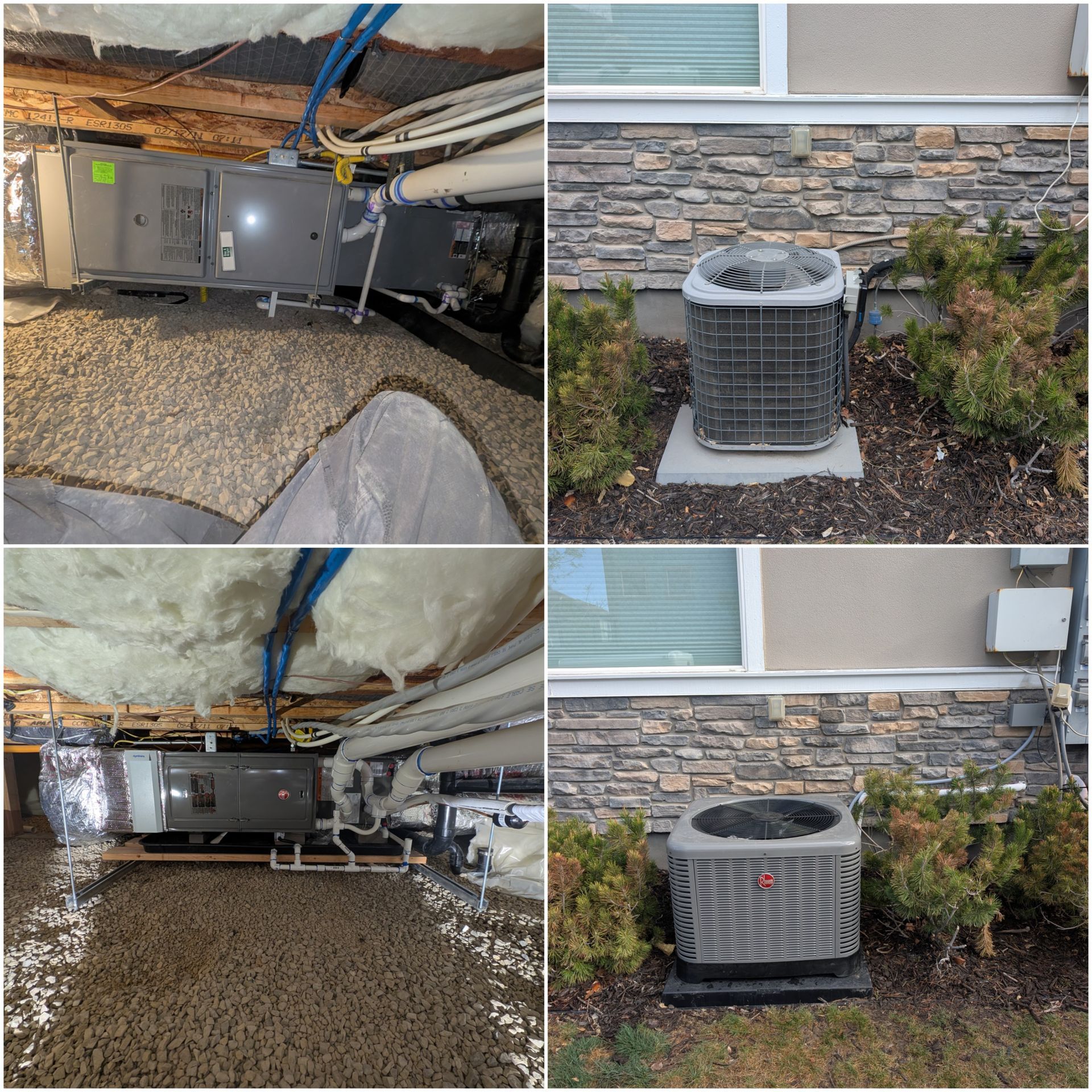
Aging furnaces and air conditioners that struggle during Utah's coldest and hottest months signal the need for complete system replacement rather than continued repairs on equipment that no longer delivers reliable performance. True HVAC handles system design and installation for properties where outdated equipment drives up energy costs while failing to maintain comfortable indoor conditions. Installations involve selecting furnaces, air conditioners, heat pumps, or mini-split systems based on your property's square footage, insulation quality, and the specific comfort issues the new equipment must resolve.
The installation process begins with load calculations that account for window area, ceiling height, insulation levels, and directional sun exposure to determine the precise heating and cooling capacity required. Equipment sized from these calculations rather than simply matching previous system tonnage operates more efficiently and maintains more consistent temperatures because it's neither oversized, causing short cycling, nor undersized, causing extended runtimes and incomplete temperature control.
Schedule an installation estimate to review equipment options and capacity requirements for your property in West Valley City, Taylorsville, Magna, and neighboring communities.
What Changes After New Equipment Operates
Professional installation includes verifying refrigerant charge through superheat and subcooling measurements, confirming airflow across the evaporator coil meets manufacturer specifications, testing combustion efficiency on gas furnaces, and programming thermostats to match your occupancy patterns. These steps ensure the equipment performs as designed rather than simply powering on.
Once the new system operates, you notice rooms reach set temperatures without the prolonged runtimes common with undersized equipment, temperature swings between cycles decrease, and monthly utility costs drop as the system achieves target conditions more efficiently. Indoor air quality improves when new equipment includes upgraded filtration and properly balanced ventilation that older systems lacked.
Installations that replace both heating and cooling components require coordinating equipment that shares ductwork and electrical infrastructure, verifying that existing ducts can handle the airflow requirements of new systems, and upgrading thermostats to control multi-stage equipment or variable-speed components that older single-stage systems didn't include.
Common Questions About This Service
Property owners often ask about equipment selection, installation timing, and what the process involves.
What determines the right equipment size for my property?
Load calculations based on square footage, insulation R-values, window area, and occupant count determine capacity requirements, with adjustments for factors such as vaulted ceilings or extensive glass surfaces that affect heating and cooling demands beyond basic square footage.
How long does a complete HVAC installation take?
Most residential installations require one to two days depending on whether the project involves replacing just the outdoor unit or both indoor and outdoor components, with additional time needed if ductwork modifications or electrical upgrades are required to support the new equipment.
Should I replace my furnace and air conditioner at the same time?
Replacing both ensures compatibility between components, allows the system to operate at its designed efficiency level, and avoids a situation where a new outdoor unit is limited by an aging indoor coil that can't handle the refrigerant charge or airflow requirements.
What efficiency rating makes sense for West Valley City's climate?
Systems with SEER ratings between 15 and 18 typically provide the best balance between upfront cost and long-term energy savings in this region, where extended heating seasons and moderate cooling demands make ultra-high efficiency equipment less cost-effective than in areas with more extreme cooling loads.
How does a mini-split system differ from traditional ducted HVAC?
Mini-splits deliver conditioned air directly to individual rooms without ductwork, making them effective for additions, garages, or homes where installing ducts isn't practical, though they require wall-mounted indoor units in each conditioned space rather than central distribution through registers.
True HVAC provides equipment recommendations based on performance requirements and budget constraints rather than pushing the highest-efficiency models regardless of whether the energy savings justify the additional investment for your specific property. Request a detailed proposal to compare equipment options and understand what each system delivers for your installation budget.