Diagnosing Problems Before They Escalate
HVAC Repairs in West Valley City and surrounding areas for systems producing uneven temperatures and unexpected shutdowns
Poor airflow, rooms that won't reach thermostat settings, unusual noises during operation, and complete system failures indicate problems that require diagnosis and repair before minor issues compromise equipment lifespan or lead to mid-season breakdowns. True HVAC troubleshoots heating, cooling, and ventilation system failures for property owners dealing with comfort problems that appear suddenly or develop gradually as components wear. Utah's extreme seasonal temperatures make HVAC failures during peak heating and cooling months particularly disruptive, often requiring expedited repairs when replacement parts have limited availability.
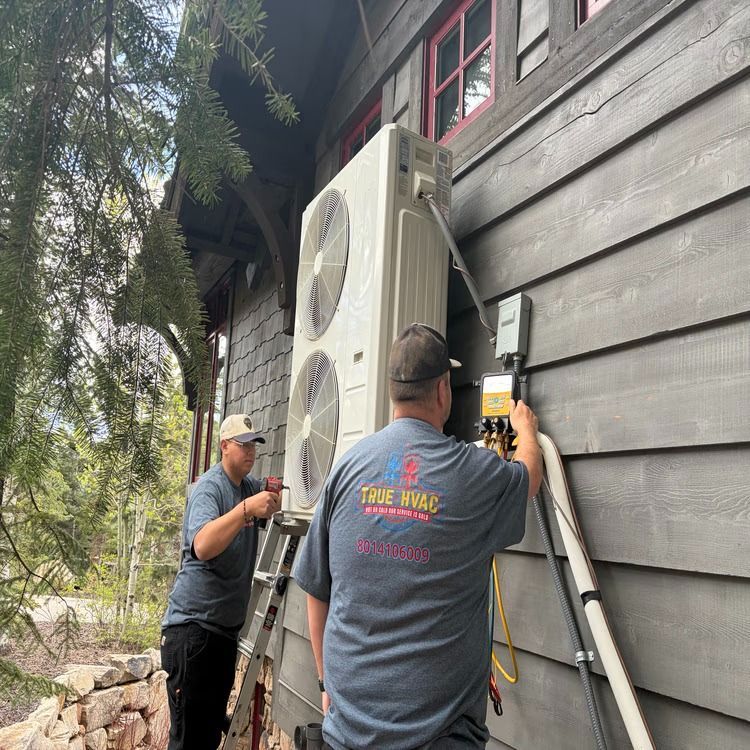
Repair work involves testing electrical components, measuring refrigerant pressures, inspecting heat exchangers for cracks, checking blower motor capacitors, and verifying thermostat operation to isolate the specific failure causing system malfunction. Early diagnosis prevents situations where a failing component damages related parts, turning a straightforward capacitor replacement into a compressor failure that costs significantly more to correct.
Schedule HVAC repair service to diagnose performance issues before they require emergency equipment replacement.
Why Minor Issues Become Major Expenses
Repair service addresses failures such as refrigerant leaks that reduce cooling capacity, dirty coils that restrict airflow and cause freezing, failed igniters that prevent furnace operation, and worn contactors that create electrical arcing and eventual compressor damage. Catching these problems early means repairing the failing component rather than replacing the entire system after secondary damage occurs.
After repairs are completed, you notice the system maintains set temperatures without constant cycling, airflow returns to normal levels across all registers, unusual sounds disappear, and energy consumption drops as the equipment no longer compensates for the underlying malfunction. Rooms that previously ran warmer or cooler than adjacent spaces achieve consistent temperatures once airflow restrictions or refrigerant imbalances are corrected.
Repairs on a wide range of HVAC brands and equipment types involve accessing manufacturer technical specifications to ensure replacement parts match original component ratings and that system adjustments restore factory performance levels. Generic or incorrectly sized parts may temporarily restore operation but create long-term reliability issues and void remaining equipment warranties.
What Property Owners Usually Ask
Homeowners and business operators in West Valley City, Holladay, Kearns, and neighboring communities frequently ask about failure patterns, repair urgency, and replacement considerations when systems malfunction.
What causes an air conditioner to freeze during operation?
Freezing typically results from restricted airflow due to dirty filters or blocked return vents, low refrigerant levels from leaks, or failed blower motors that can't move enough air across the evaporator coil to prevent ice formation.
How quickly do HVAC repairs need to happen after a system stops working?
Heating failures during winter require immediate attention to prevent frozen pipes and maintain livable indoor conditions, while cooling failures during summer become urgent when indoor temperatures exceed safe levels for occupants or temperature-sensitive equipment and materials.
Why does my furnace start but shut down after a few minutes?
Short cycling often indicates flame sensor problems that prevent the control board from confirming ignition, cracked heat exchangers that trigger safety shutoffs, or oversized equipment that reaches temperature too quickly and cycles off before properly conditioning the space.
Can a refrigerant leak be repaired or does the entire system need replacement?
Small leaks in accessible locations can be repaired and recharged, but leaks in the evaporator coil or multiple leak points often cost more to repair than the remaining equipment value justifies, particularly on systems approaching fifteen years of service.
What determines whether repair or replacement makes more sense financially?
If repair costs exceed fifty percent of replacement cost and the equipment is over ten years old, replacement typically provides better value because newer systems operate more efficiently and are less likely to require additional repairs within the next few years.
True HVAC provides transparent repair assessments that include cost comparisons between fixing current equipment and replacing systems that have reached the end of their useful service life. Contact us to arrange same-day diagnostic service and receive a detailed repair recommendation based on your system's condition and remaining lifespan.