Control Systems That Match Modern Equipment
Thermostat Installations in West Valley City and surrounding areas for properties upgrading to programmable scheduling and improved temperature management
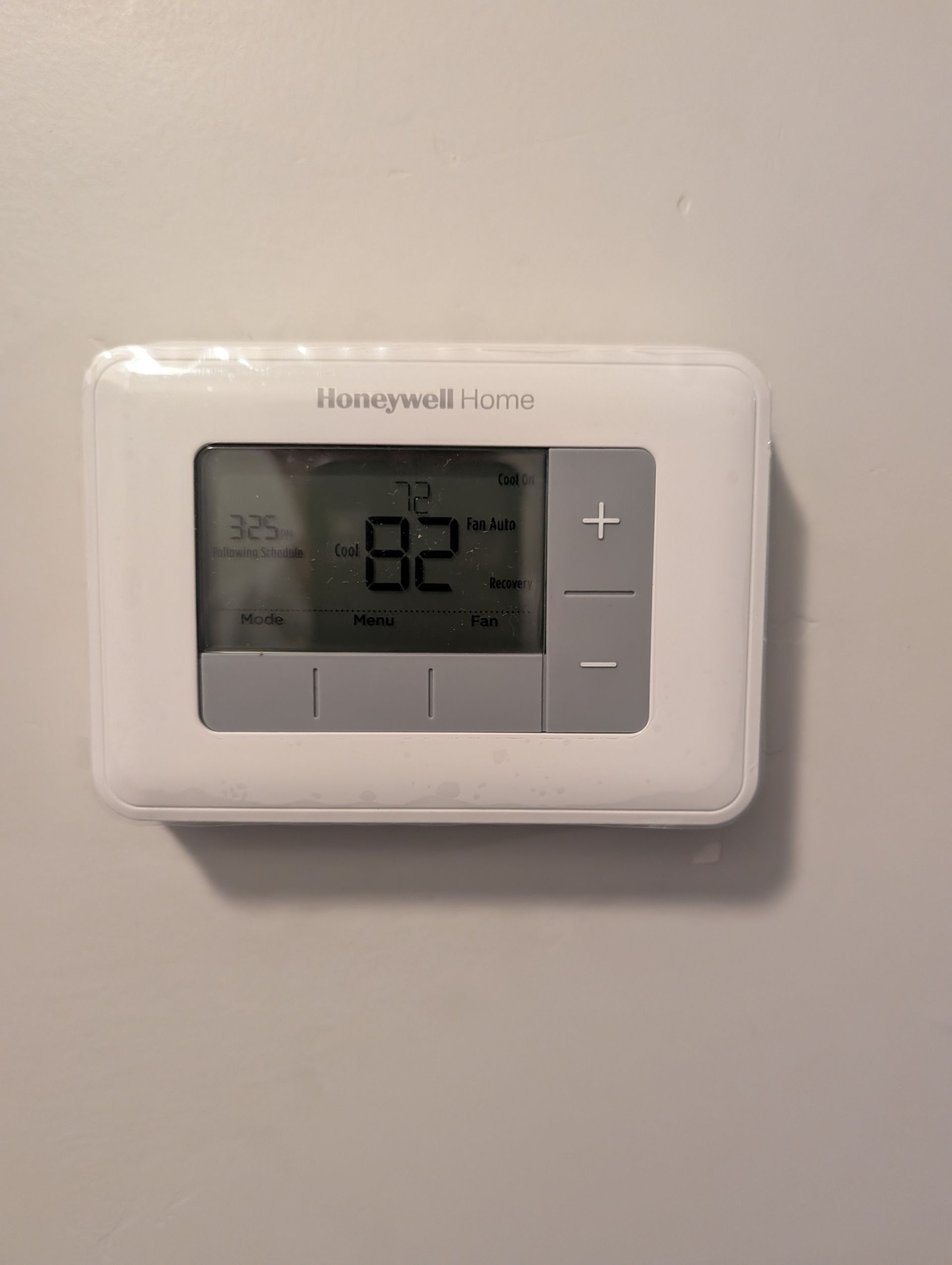
Older mechanical thermostats with mercury switches and simple on-off control don't communicate effectively with modern HVAC systems designed for staged heating, variable-speed blowers, and multi-stage cooling. True HVAC installs programmable and smart thermostats that integrate with contemporary equipment, allowing the system to operate at optimal efficiency rather than cycling abruptly between full output and complete shutdown. These devices provide scheduling capabilities that adjust temperatures based on occupancy patterns, reducing energy waste when properties sit empty during work hours.
Smart thermostat installation involves verifying wire compatibility between the HVAC system and new device, ensuring proper communication with multi-stage equipment, and configuring settings that match your heating and cooling setup. Systems with heat pumps, dual-fuel capability, or zoned ductwork require specific thermostat models and wiring configurations that support these features without causing equipment malfunctions or inefficient operation.
Request thermostat installation to improve temperature control and enable automated scheduling that reduces energy consumption in West Valley City, North Salt Lake, Magna, or a neighboring community.
What Professional Setup and Calibration Involve
Thermostat installation requires identifying which wires control heating stages, cooling stages, fan operation, and common power, then connecting each to the correct terminal on the new device. Incorrect wiring can prevent the system from heating or cooling, cause continuous fan operation, or damage equipment by activating incompatible components simultaneously. Smart models also need WiFi configuration, mobile app setup, and programming that teaches the device your temperature preferences and occupancy patterns.
After installation, you control temperatures remotely through smartphone apps, adjust schedules without manual reprogramming, and receive alerts when the system isn't maintaining target temperatures or requires filter changes. The thermostat learns how long your property takes to heat or cool and starts equipment early enough to reach desired temperatures at scheduled times. Temperature swings become smaller since programmable staging allows the system to adjust output gradually rather than running at full capacity every cycle.
Calibration ensures the thermostat accurately reads room temperature, cycles equipment at appropriate intervals, and activates auxiliary heat or additional cooling stages only when necessary. Placement affects performance significantly, as thermostats installed near heat sources, in direct sunlight, or in poorly circulated areas provide inaccurate readings that cause the system to overheat or undercool other rooms.
Questions Before Starting Your Project
Property owners considering thermostat upgrades often want to know which features provide actual value versus marketing appeal and whether their existing HVAC equipment supports advanced control options.
What compatibility issues affect thermostat selection?
Older HVAC systems with limited wiring or mechanical controls may not support smart thermostats without adding additional wires or power adapters to enable proper communication.
How do programmable schedules reduce energy costs?
Automatically raising cooling setpoints or lowering heating setpoints during unoccupied hours reduces runtime without requiring manual adjustments, typically saving ten to fifteen percent on heating and cooling expenses.
What features differentiate basic programmable models from smart thermostats?
Smart devices offer remote access, learning algorithms, energy reports, and integration with home automation systems, while basic programmable units simply follow manual schedules without adaptive capabilities.
When does thermostat location need to change during replacement?
Thermostats near kitchens, bathrooms, exterior walls, or windows often need relocation to interior walls with good air circulation to provide accurate temperature readings that reflect overall comfort conditions.
How does Utah's temperature variability affect scheduling benefits?
Properties that experience significant day-to-night temperature swings benefit more from programmable setback schedules that adjust heating and cooling based on predictable occupancy patterns and outdoor conditions.
True HVAC matches thermostat technology to your specific HVAC equipment and control preferences, ensuring proper integration and reliable temperature management. Schedule thermostat installation to gain scheduling convenience and energy-saving automation tailored to your property.